Shoulder Impingement Syndrome is a common cause of shoulder pain that occurs when tendons (often the Rotator Cuff) and/or the bursa are squeezed or “impinged” as they pass through a narrow space (the subacromial space) beneath the shoulder bone (acromion). This compression typically leads to pain when reaching overhead, lifting, or sleeping on the affected side.
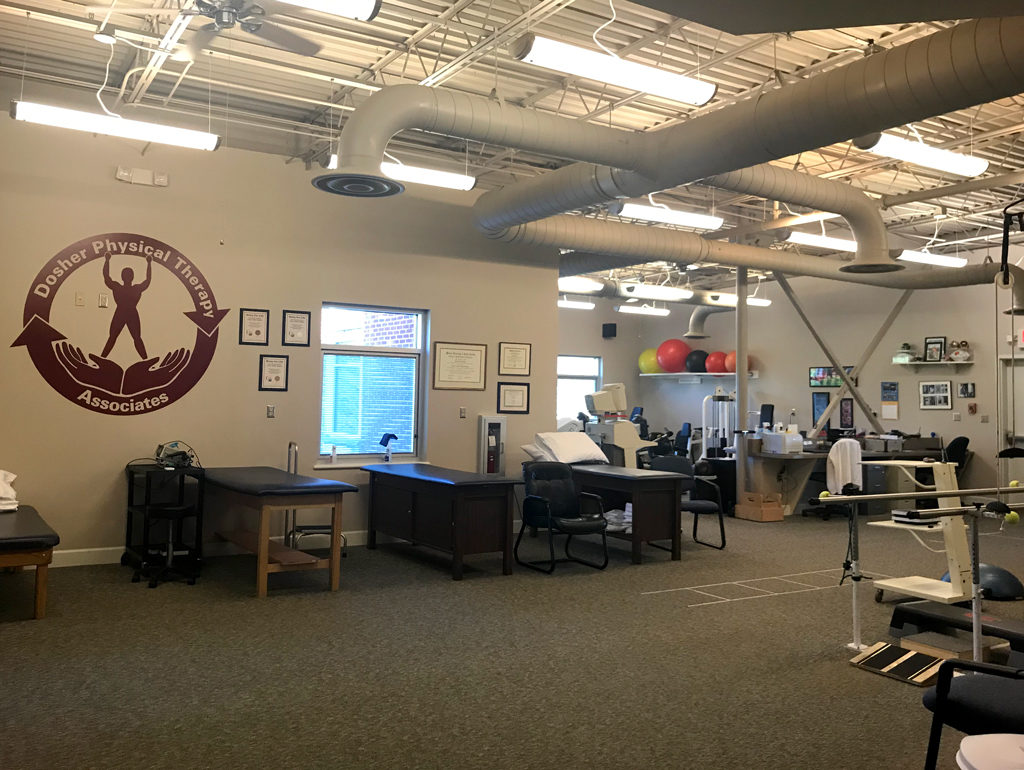
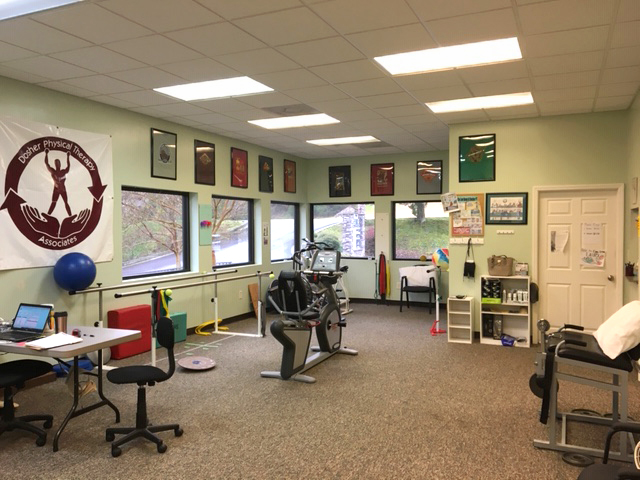
At Dosher Physical Therapy, we specialize in identifying and correcting the underlying causes of impingement, such as poor posture, muscle weakness, and abnormal shoulder blade motion. Our rehabilitation program helps patients in the upstate area regain full, pain-free range of motion and return to their daily activities and sports.
What is Impingement Syndrome Rehabilitation?
Rehabilitation for shoulder impingement is a non-surgical, evidence-based approach focused on creating more space and stability within the shoulder joint. Our therapists focus on three key areas:
- Inflammation and Pain Reduction: Calming the irritated Rotator Cuff tendons and Bursitis (inflammation of the bursa) using manual techniques and modalities.
- Scapular (Shoulder Blade) Control: Training the muscles that stabilize the shoulder blade to move correctly, which increases the subacromial space and prevents pinching during arm elevation.
- Rotator Cuff and Postural Strengthening: Building endurance and strength in the rotator cuff muscles and the upper back muscles to maintain correct shoulder alignment and long-term joint health (Postural Correction and Fault Therapy).
Who Can Benefit from Impingement Syndrome Rehabilitation?
Our program is ideal for anyone experiencing symptoms associated with shoulder compression, including:
- Pain with Overhead Activities: Difficulty reaching up to cabinets, throwing, or performing overhead sports (e.g., swimming, tennis).
- Pain at Night: Waking up due to pain, especially when trying to sleep on the affected side.
- Shoulder Weakness or Catching: A sensation of the joint “giving way” or a general lack of power.
- Associated Conditions: Individuals also managing Shoulder Bursitis, Rotator Cuff Tendinopathy, or generalized Shoulder Pain.
- Repetitive Stress Injuries: Workers or athletes whose activities involve repeated arm elevation.
Key Treatment Techniques Used
A comprehensive impingement syndrome rehabilitation plan utilizes techniques designed to restore balance and strength to the entire shoulder girdle:
Technique | Focus Area | Benefit for Impingement |
Manual Therapy | Joint Manipulations and Mobilizations for the shoulder, neck, and upper back. | Improves joint alignment and flexibility, directly increasing space in the subacromial area. |
Rotator Cuff Repair Rehabilitation Principles | Specific strengthening exercises for the cuff muscles. | Improves the cuff’s ability to stabilize and depress the humeral head during elevation. |
Postural Correction | Training for thoracic spine extension and general upright posture. | Corrects a slouched posture, which often contributes to shoulder compression. |
Instrument-Assisted Soft Tissue Mobilization (IASTM) | Used for tight muscles in the upper back and neck. | Releases muscle tension that can pull the shoulder blade into a poor position. |
Stretching Programs | Gentle stretching for tight chest muscles (pectorals). | Restores anterior flexibility, preventing the shoulder from rounding forward. |
Locations
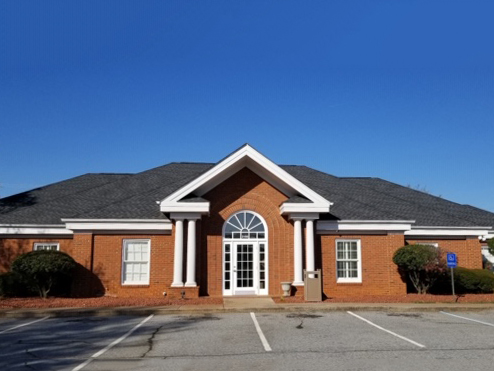
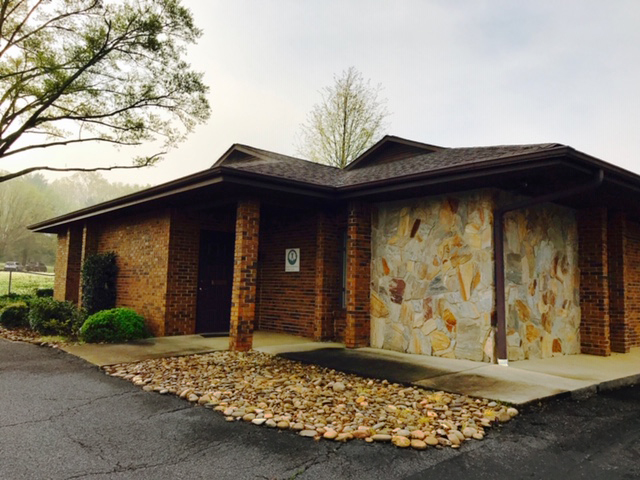
Impingement Syndrome Rehabilitation is available at all five of our Dosher Physical Therapy clinics:
- Anderson, SC
- Easley, SC
- Pickens, SC
- Powdersville (Piedmont), SC
- Clayton, GA
Additional Resources and Services
Complete shoulder health often involves managing related conditions:
- Shoulder Pain and Bursitis Rehabilitation: Comprehensive care for associated soft tissue inflammation.
- Neck Pain and Strain Rehabilitation: Addressing cervical spine issues that can affect nerve supply to the shoulder.
- Dry Needling: Treating deep trigger points in the surrounding neck and back muscles for rapid tension relief.
To schedule your shoulder evaluation and begin your return to pain-free overhead movement, please visit our Contact page or call your preferred clinic location.