Spinal fusion surgery—a procedure to permanently join two or more vertebrae—is often performed to treat conditions like spinal instability (Spondylolisthesis), severe disc issues (Herniated Disc Therapy or Degenerative Disc Disease), or spinal deformities. While the surgery itself stabilizes the spine, the success of the long-term outcome depends almost entirely on expert Post-Spinal Fusion Rehabilitation.
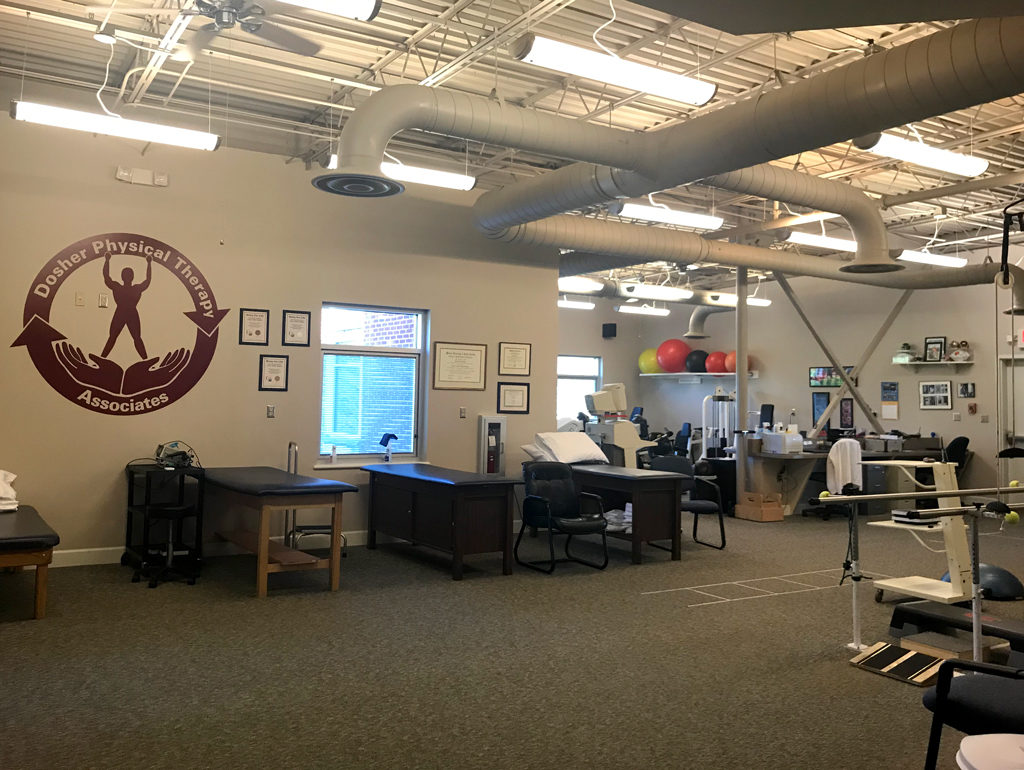
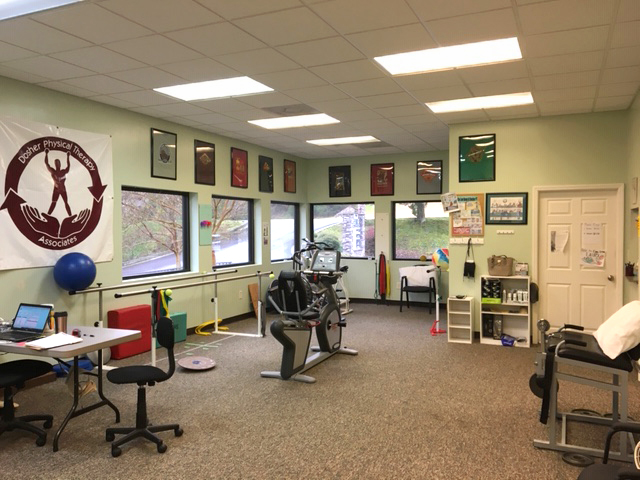
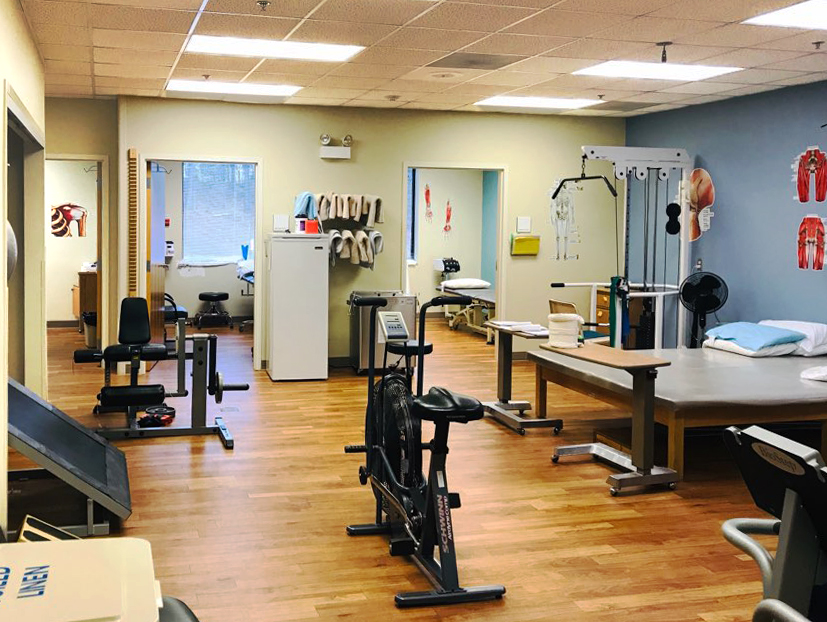
At Dosher Physical Therapy, we provide a highly controlled, protocol-driven recovery program designed to protect the surgical site while systematically rebuilding the deep Core Strength and Stability needed to support the newly fused spine. We guide patients in the Upstate area through a safe, confident return to all daily activities.
What is Post-Spinal Fusion Rehabilitation?
This specialized rehabilitation is a critical component of Orthopedic Post-Operative Rehabilitation. It is a phased process that strictly respects the time required for the bones to fully fuse (typically 3–6 months) while preventing stiffness and strengthening the surrounding supportive musculature. Our program focuses on:
- Protecting the Spine: Strict education and training on proper “Spinal Precautions” (avoiding bending, lifting, and twisting, known as BLT) during the initial healing period.
- Core Stabilization: Gradually teaching the patient how to activate and strengthen the deep abdominal and back muscles (the Core Strength and Stability Programs) that now must compensate for the loss of motion at the fused segment.
- Functional Mobility: Restoring pain-free movement through controlled exercises and safe techniques for standing, walking, sitting, and performing all activities of daily living.
- Ergonomics and Posture: Training correct body mechanics and Postural Correction principles for long-term spine health, minimizing stress on the levels above and below the fusion site.
Who Can Benefit from This Rehabilitation?
Anyone who has undergone a spinal fusion procedure in the cervical (neck), thoracic (mid-back), or lumbar (low back) spine requires specialized post-operative care. This is crucial for:
- Long-Term Stability: Ensuring the muscles are strong enough to support the new alignment and prevent excessive strain on adjacent spine levels, which can lead to future problems.
- Returning to Work: Building the strength and endurance necessary for job demands, often verified through a Functional Capacity Evaluation.
- Managing Residual Pain: Addressing lingering symptoms in the limbs (such as Sciatica or Lumbar Radiculopathy) caused by pre-surgical nerve compression or muscle tightness.
- Restoring Confidence: Overcoming the fear of movement often associated with spine surgery, leading to a faster return to a high quality of life.
Key Treatment Phases and Techniques
Recovery from spinal fusion is a highly individualized journey, but key techniques are integrated at the appropriate time:
|
Phase |
Focus Area |
Key Techniques Used |
|
Early Protective (Weeks 0-6) |
Education, adhering to BLT precautions, gentle walking, pain management. |
Pain Management, gentle Soft Tissue Mobilizations (non-spinal), Core Stability activation. |
|
Intermediate (Weeks 6-12) |
Gentle range of motion for adjacent joints (hips, shoulders), increasing core endurance. |
General Strengthening Exercises, Stretching Programs (hips/hamstrings), Proprioception Exercises. |
|
Advanced (Months 3-6+) |
High-level functional strengthening, return-to-activity training. |
Work Conditioning (if applicable), advanced Core Stability drills, progressive resistance training. |
Locations
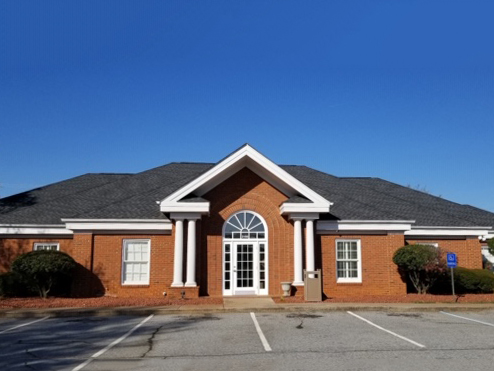
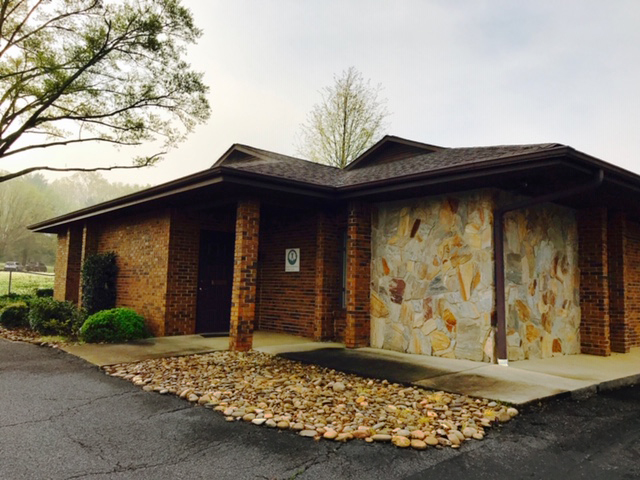
Post-Spinal Fusion Rehabilitation is available at all five of our Dosher Physical Therapy clinics:
- Anderson, SC
- Easley, SC
- Pickens, SC
- Powdersville (Piedmont), SC
- Clayton, GA
Additional Resources and Services
We integrate specialized services to enhance spinal fusion recovery:
- Manual Therapy: Gentle techniques for mobilizing hips and shoulders, which are often stiff due to spinal movement restrictions.
- Dry Needling: Used to manage protective Muscle Spasms and release tension in the neck, mid-back, and glutes.
- Postural Taping and Support: Providing external cues to help maintain a safe, upright spine position as fusion occurs.
To schedule your post-operative rehabilitation and ensure a safe, successful recovery after spinal fusion, please visit our Contact page or call your preferred clinic location.