Cupping Therapy is an ancient but increasingly popular technique that has been integrated into modern physical therapy to provide effective relief from muscle pain, tension, and stiffness. At Dosher Physical Therapy, our skilled therapists use cupping to supplement traditional treatments, offering patients a non-invasive way to improve circulation, reduce inflammation, and accelerate soft tissue healing.
Often utilized for athletes, but beneficial for anyone with chronic muscle pain, cupping can be a powerful tool to restore movement and comfort faster than traditional methods alone.
What is Cupping Therapy?
Cupping involves placing specialized cups (typically made of glass, plastic, or silicone) on the skin and creating a vacuum or negative pressure inside the cup. This suction mechanism gently pulls the skin, fascia, and superficial muscle layer into the cup.
There are two primary methods used in our clinics:
- Dry Cupping (Stationary): Cups are placed on specific points (like trigger points or areas of high tension) and left in place for a few minutes. This is primarily used to release knots and localized pain.
- Moving or Sliding Cupping: After applying lotion or oil, cups are moved along the skin over a muscle group (like the back or hamstrings). This technique is similar to Instrument-Assisted Soft Tissue Mobilization (IASTM) in its goals, helping to mobilize fascia and improve blood flow across a wider area.
The treatment leaves characteristic round, temporary marks (ecchymosis) that typically fade within a few days. These marks indicate that blood and other fluids were drawn to the surface, signaling an increase in local circulation and healing response.
How Does Cupping Therapy Work?
Cupping is highly effective because it directly targets restricted soft tissues and fascial layers. The negative pressure mechanism provides several therapeutic benefits:
- Increases Local Circulation: The suction pulls stagnant blood and toxins away from injured or tense areas, allowing fresh, oxygenated blood to flow in, which aids in recovery and healing.
- Releases Fascial Restriction: The deep lift separates layers of connective tissue (fascia) that may have become stuck or restricted, dramatically improving flexibility and range of motion.
- Reduces Muscle Spasms and Knots: It provides a unique type of deep tissue massage that decompresses muscles, relaxing chronic tension and alleviating muscle spasms.
- Calms the Nervous System: The treatment can have a soothing, relaxing effect that helps reduce pain perception (acting as a form of Pain Management).
Who Can Benefit from Cupping Therapy?
Cupping is often integrated into therapy plans for various musculoskeletal conditions, including:
- Chronic Neck and Back Pain: Particularly effective for deep, hard-to-reach muscle tension and trigger points associated with Lumbago or Stenosis Management.
- Shoulder Pain: Helps to release tight muscles associated with Impingement Syndrome Rehabilitation and post-injury stiffness.
- Myofascial Pain Syndrome: Targeting widespread trigger points and fascial tightness throughout the body.
- Athletic Recovery: Used to quickly treat fatigued muscles and improve range of motion for better Athletic Performance.
- Headaches/Migraines: Often related to tension in the neck and upper trapezius muscles.
Locations
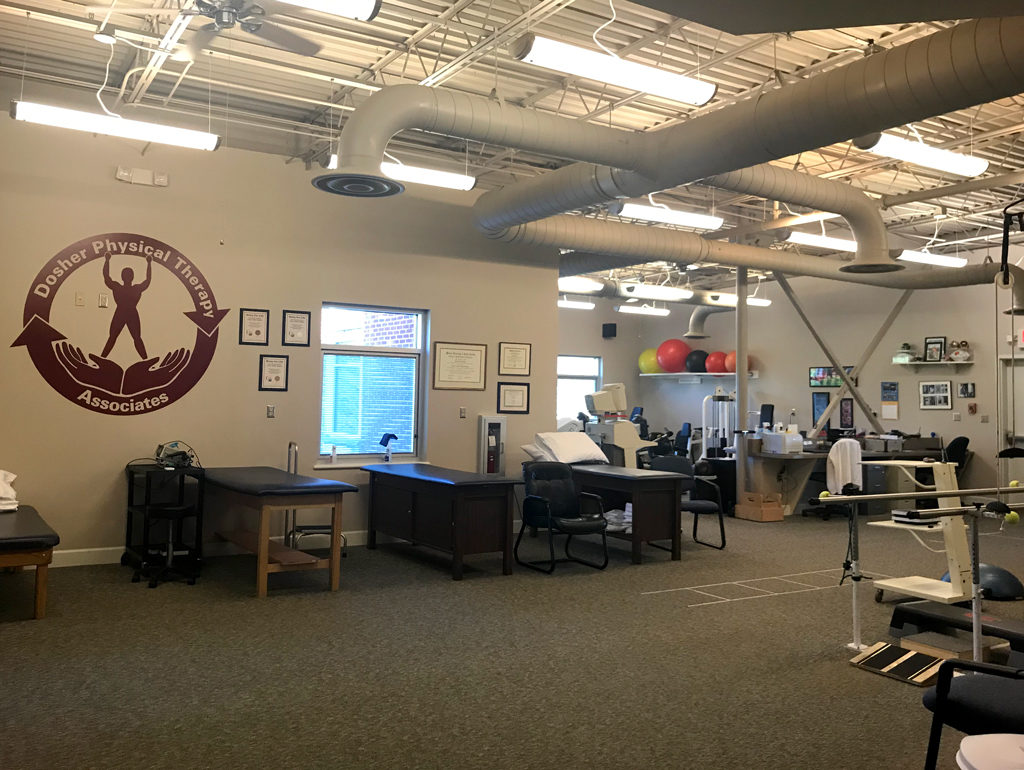
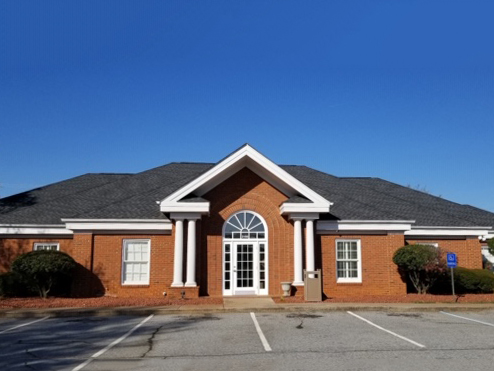
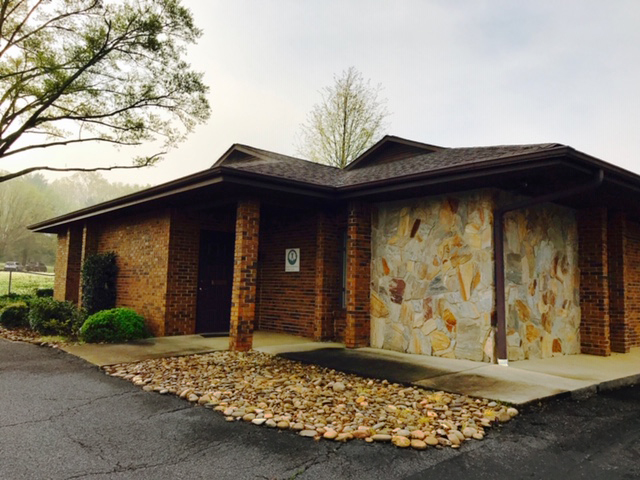
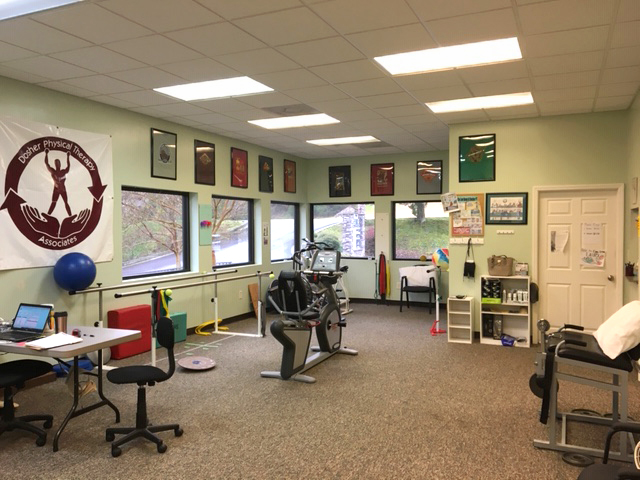
Cupping Therapy is available at all five of our Dosher Physical Therapy clinics:
- Anderson, SC
- Easley, SC
- Pickens, SC
- Powdersville (Piedmont), SC
- Clayton, GA
Additional Resources and Services
Cupping is often used in combination with other manual and movement therapies for a complete recovery:
- Soft Tissue Mobilizations: Complementary hands-on techniques for targeted release.
- Dry Needling (with and without Electrical Stimulation): A highly effective technique for immediate relief of deep trigger points.
- Stretching Programs: Cupping can enhance the effectiveness of stretching by reducing underlying fascial tension.
To discuss integrating Cupping Therapy into your treatment plan, please visit our Contact page or call your preferred clinic location today.