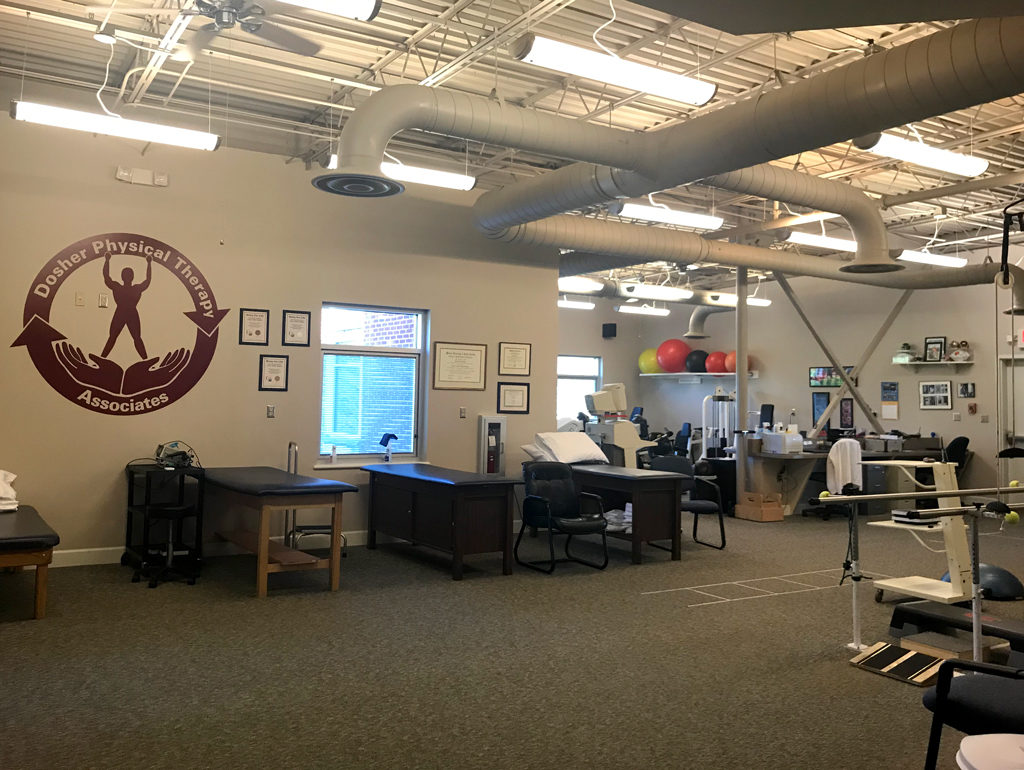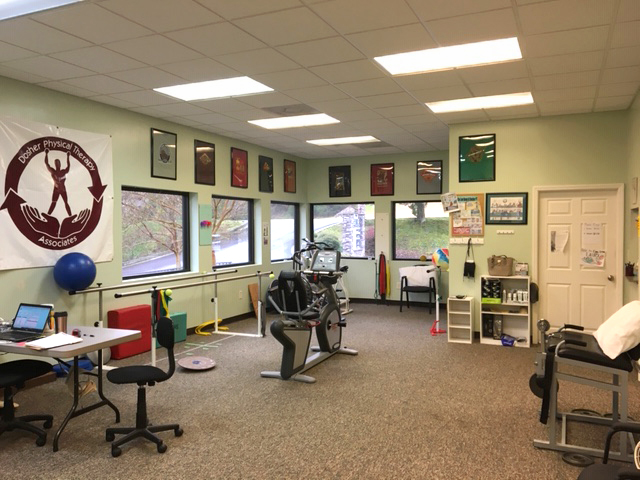
The labrum—a ring of cartilage that deepens the hip or shoulder socket—is crucial for joint stability and function. A tear in this structure, often requiring surgical repair, can be devastating for both athletes and active individuals. At Dosher Physical Therapy, our Labral Repair Rehabilitation programs for the hip and shoulder are based on strict, post-operative protocols designed to protect the healing repair while systematically restoring strength, mobility, and confident movement.
We guide patients through every phase of recovery, from the initial protective phase to advanced Athletic Performance & Return-to-Sport Training, ensuring a safe, complete return to daily life and high-level activities.
What is Labral Repair Rehabilitation?
Rehabilitation following labral repair surgery (e.g., SLAP repair in the shoulder or a hip arthroscopy for a labral tear) is a highly specialized and often lengthy process. It is characterized by careful, staged progression to ensure the repaired tissue has time to heal while preventing stiffness and muscle atrophy.
Our therapy focuses on:
- Protecting the Repair: Adhering strictly to surgeon-defined weight-bearing (hip) or range-of-motion (shoulder) limitations during the initial Orthopedic Post-Operative Rehabilitation phase.
- Restoring Range of Motion: Gently and gradually regaining full, non-painful joint movement without compromising the surgical site.
- Core and Stability Training: Building deep muscular support (e.g., Rotator Cuff for the shoulder, deep hip stabilizers for the hip) to prevent the joint from shifting or stressing the labrum.
- Functional Re-integration: Moving from isolated exercises to complex, sport-specific movements that restore the confidence needed for full activity.
Who Can Benefit from Labral Repair Rehabilitation?
Anyone who has undergone surgery to repair a labral tear in a major ball-and-socket joint needs specialized post-operative rehabilitation. This includes individuals with:
Hip Labral Repair
- Femoroacetabular Impingement (FAI) Surgery: Often treated concurrently with a labral repair.
- Hip Pain: Individuals experiencing anterior (front) hip pain or a painful clicking sensation post-surgery.
- Athletes: Particularly those in sports involving deep hip flexion, rotation, or pivoting.
Shoulder Labral Repair
- SLAP (Superior Labrum Anterior to Posterior) Tears: Common in overhead throwing athletes.
- Shoulder Instability: Addressing the underlying laxity or instability that may have contributed to the tear.
- Overhead Athletes: Baseball, volleyball, and tennis players requiring precise control and power in the shoulder.
Key Treatment Phases and Techniques
Recovery is divided into sequential phases, with techniques tailored to protect and progress the joint:
Phase | Goal | Key Techniques Used |
Protective (Weeks 0-6) | Minimize pain, maximize gentle passive range of motion, protect the surgical site. | Gentle Manual Therapy (Mobilizations), low-intensity Muscle Spasm Management, basic Core Strength and Stability activation. |
Intermediate (Weeks 6-12) | Introduce active range of motion, begin strengthening supporting musculature. | General Strengthening Exercises (isometrics/light resistance), Proprioception Exercises, increased Core Stability work. |
Advanced (Months 3-6) | High-level strengthening, plyometrics, endurance, and power training. | Blood Flow Restriction Training (BFR) for rapid strength gains, sport-specific drills (e.g., throwing progression, agility). |
Return-to-Sport (Months 6+) | Objective testing and full return to competition. | Functional Capacity Evaluations (for manual labor), high-intensity Athletic Performance training, final clearance testing. |
Locations
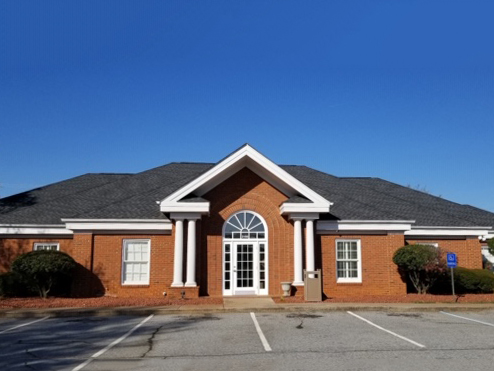
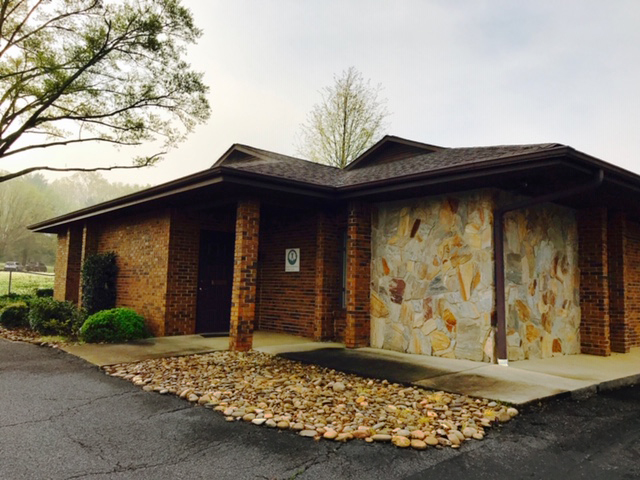
Labral Repair Rehabilitation is available at all five of our Dosher Physical Therapy clinics:
- Anderson, SC
- Easley, SC
- Pickens, SC
- Powdersville (Piedmont), SC
- Clayton, GA
Additional Resources and Services
Labral repair patients often benefit from integrated advanced therapies:
- Orthopedic Post-Operative Rehabilitation: Comprehensive care for joint reconstructions and repairs.
- Dry Needling: Treating residual muscle tension and trigger points in the surrounding shoulder/hip musculature.
- Proprioception Exercises: Crucial for re-establishing the body’s awareness and control over the joint, preventing future injury.
To schedule your post-operative rehabilitation and ensure the most effective path back to full health, please visit our Contact page or call your preferred clinic location.