Lumbar Radiculopathy, commonly referred to as Sciatica, is a condition where a nerve root in the lower back (lumbar spine) is irritated or compressed. This often leads to symptoms that radiate down the leg, including sharp pain, numbness, tingling, and muscle weakness. While the pain is felt in the leg, the problem originates in the back.
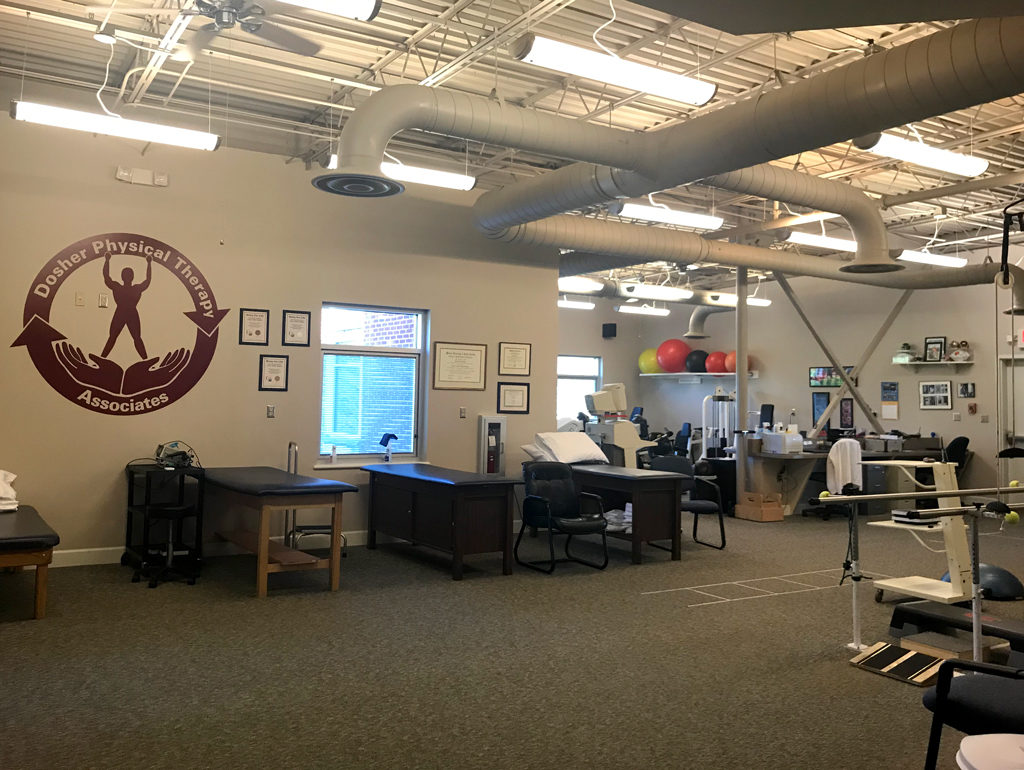
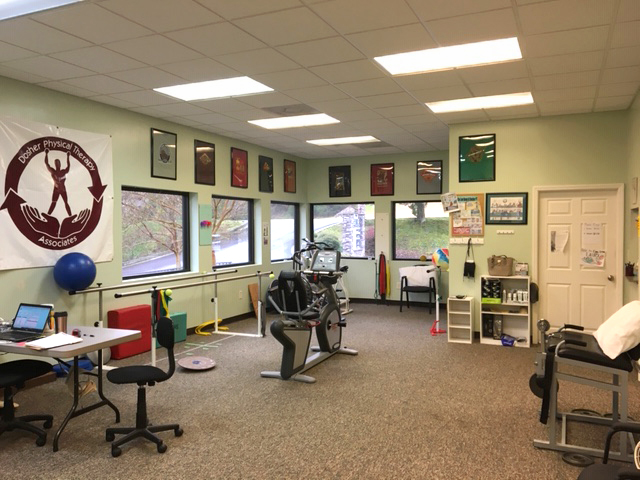
At Dosher Physical Therapy, our specialized Lumbar Radiculopathy Management program focuses on non-surgical techniques to decompress the irritated nerve, reduce radiating symptoms, and stabilize the spine. We help patients in the Upstate area move past debilitating leg pain and return to comfortable, active living.
What is Lumbar Radiculopathy Management?
Physical therapy is the most common and effective non-surgical treatment for Lumbar Radiculopathy. The goal is to reduce inflammation around the nerve root and create a stable, protected environment for the spine. Our management strategy includes:
- Pain Centralization: Utilizing specific movement protocols, such as the McKenzie Techniques, to move the pain away from the leg and centralize it in the back, where it is generally easier to manage and resolve.
- Nerve Decompression: Employing gentle Manual Therapy and specific positioning to temporarily reduce pressure on the nerve root caused by disc material (Herniated Disc Therapy) or bony narrowing (Stenosis Management).
- Spinal Stability: Implementing Core Strength and Stability Programs to train the deep abdominal and lumbar muscles. A strong core protects the spine from the excessive movement that can irritate the nerve.
- Activity Modification: Providing education on safe body mechanics for sitting, lifting, and bending to prevent re-aggravation of the nerve root.
Who Can Benefit from Lumbar Radiculopathy Management?
If you experience persistent or recurrent symptoms that travel down one or both legs, our program is designed for you. This includes individuals with:
- Sciatica: Pain, tingling, or numbness that runs down the back of the leg, often below the knee.
- Leg Weakness: Difficulty lifting the foot (foot drop) or pushing off the ground.
- Pain that Worsens with Sitting or Bending: Activities that increase pressure on the lumbar discs and nerve roots.
- Diagnoses of Stenosis or Herniated Disc: The most common causes of nerve root compression.
- Lumbago and Lumbar Strain Treatments: Managing radiculopathy symptoms alongside general low back pain.
Key Treatment Techniques Used
A successful radiculopathy program integrates movement and hands-on therapy for targeted relief:
Technique | Focus Area | Benefit for Radiculopathy |
McKenzie Techniques (MDT) | Directional preference exercises (extension or flexion). | Proven effectiveness in centralizing radiating pain and taking pressure off the nerve. |
Dry Needling | Targeting deep piriformis muscle and lumbar paraspinals. | Releases tight muscles that can mimic or contribute to nerve irritation (Sciatica Treatment). |
Joint Manipulations and Mobilizations | Gentle traction or mobilization of the lumbar spine. | Creates temporary space in the spinal column, decompressing the irritated nerve root. |
Core Strength and Stability | Functional core activation and endurance training. | Provides a muscular “splint” to protect the vulnerable disc and nerve structures. |
Postural Taping and Support | Applying specialized tape to encourage proper spinal posture. | Provides kinesthetic cueing to maintain a safe, pain-reducing position throughout the day. |
Locations
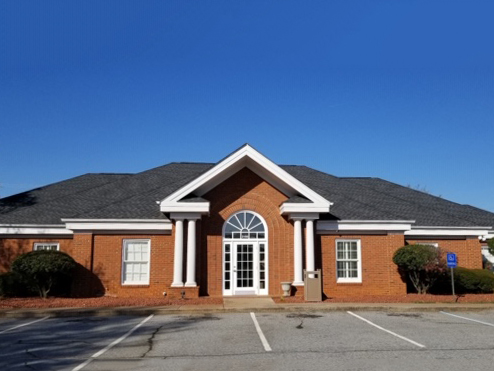
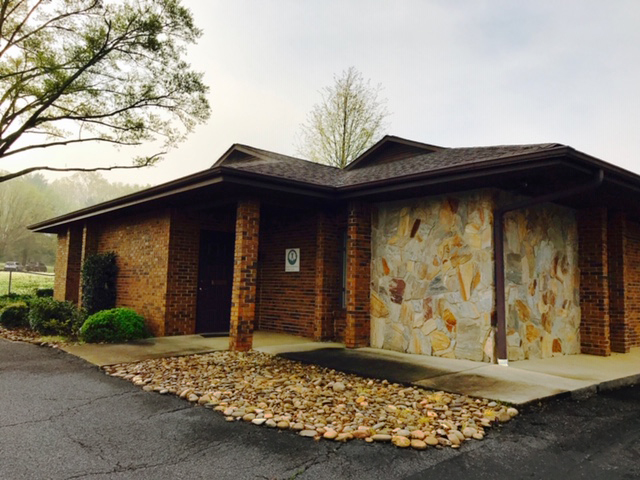
Lumbar Radiculopathy Management is available at all five of our Dosher Physical Therapy clinics:
- Anderson, SC
- Easley, SC
- Pickens, SC
- Powdersville (Piedmont), SC
- Clayton, GA
Additional Resources and Services
Radiculopathy patients often benefit from integrated care for the spine:
- Herniated Disc Therapy (Cervical and Lumbar): Direct treatment for the most common cause of radiculopathy.
- Spondylolisthesis and Spondylosis Management: Addressing structural instability that can lead to nerve compression.
- Degenerative Disc Disease Management: Treating the underlying changes in the spine that make discs vulnerable.
To schedule your evaluation and begin your journey toward relief from leg pain, please visit our Contact page or call your preferred clinic location.