A muscle spasm is an involuntary, often sudden and painful contraction of a muscle or group of muscles. Spasms are frequently the body’s natural defense mechanism, signaling a nearby issue such as joint instability, nerve irritation (like Sciatica), or acute tissue injury. While painful and debilitating, especially in the neck and low back, spasms are highly treatable with targeted physical therapy.
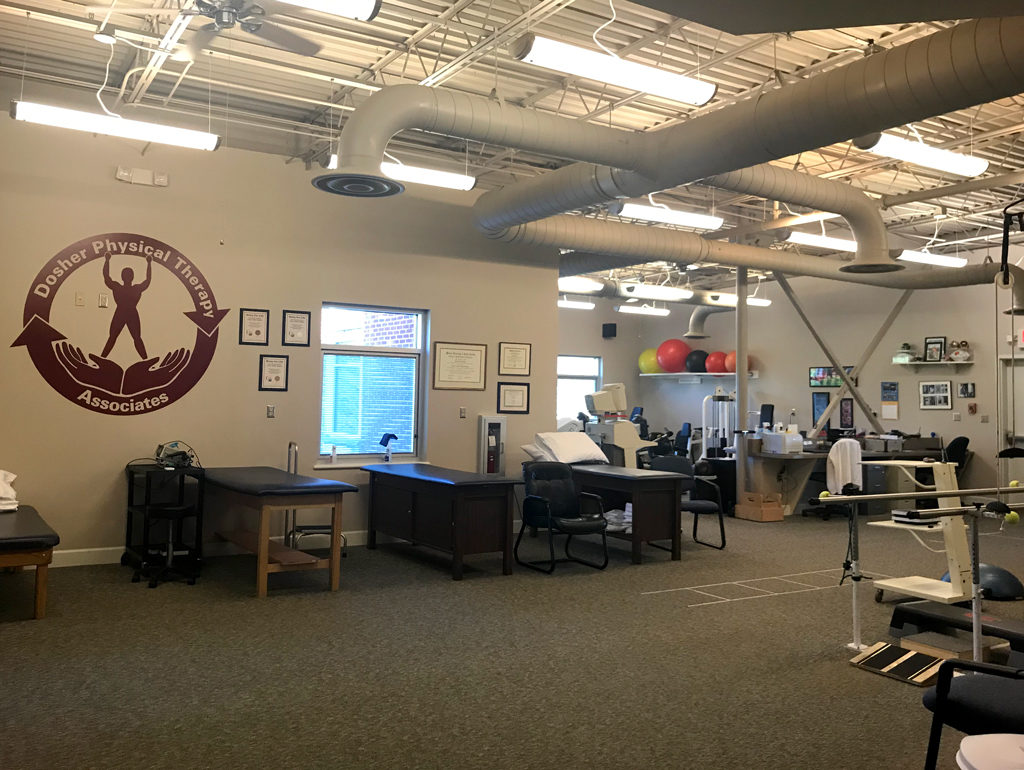
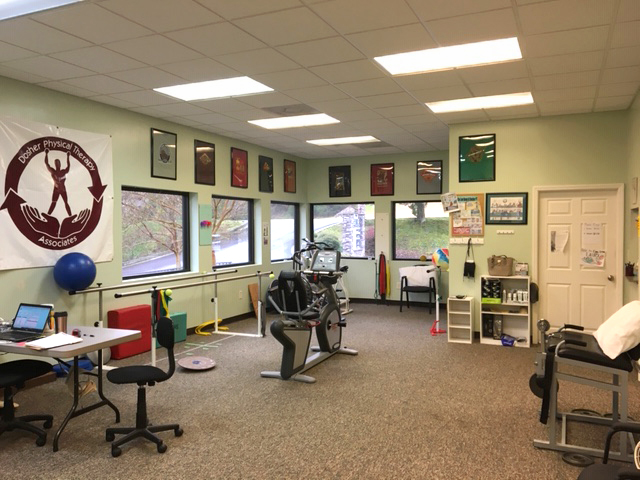
At Dosher Physical Therapy, our Muscle Spasm Management programs focus on quickly calming the overactive muscle and addressing the root cause of the irritation. We use advanced, non-invasive techniques to relax the spasm, restore comfortable movement, and prevent painful recurrence.
What is Muscle Spasm Management?
Muscle spasm management in physical therapy is a multi-faceted approach aimed at interrupting the spasm-pain cycle and restoring normal muscle function. Our strategy includes:
- Immediate Relief: Utilizing specialized Manual Therapy and modalities (heat, electrical stimulation) to relax the acute contraction and reduce pain.
- Trigger Point Release: Targeting specific, irritable knots (trigger points) within the muscle that sustain the spasm, often using Dry Needling for rapid, deep relief.
- Correcting the Source: Identifying and treating the underlying mechanical problem—such as a stiff joint (Lumbago and Lumbar Strain Treatments), disc irritation (Herniated Disc Therapy), or postural fault (Postural Correction)—that caused the muscle to guard in the first place.
- Preventative Strength: Once the spasm is controlled, we introduce General Strengthening Exercises and Core Strength and Stability Programs to provide the stability needed to protect the area from future guarding.
Who Can Benefit from Muscle Spasm Management?
Our program provides essential relief for anyone experiencing painful, involuntary muscle contractions, including individuals with:
- Acute Low Back Pain (Lumbago): Sudden, sharp pain and muscle guarding in the lower back, often following an awkward lift or movement.
- Whip-lash and Neck Strain: Spasms in the upper trapezius or neck muscles (Neck Pain and Strain Rehabilitation).
- Sciatica and Radiculopathy: Spasms in the piriformis or gluteal muscles that can compress or irritate the sciatic nerve.
- TMJ Pain: Chronic tension and spasms in the jaw muscles (Jaw and TMJ Treatments).
- Myofascial Pain: Widespread chronic pain characterized by multiple trigger points.
- Post-Injury/Post-Surgical Guarding: Spasms that occur as the body tries to protect a healing area (e.g., after Rotator Cuff Repair Rehabilitation).
Key Treatment Techniques Used
A successful spasm management plan integrates both passive and active therapies:
Technique | Focus Area | Benefit for Spasms |
Dry Needling | Direct insertion into hyper-irritable trigger points. | Provides a rapid Local Twitch Response (LTR) that effectively “resets” the muscle. |
Soft Tissue Mobilizations | Hands-on pressure and kneading of the affected muscle group. | Increases circulation, flushes out metabolic waste, and promotes relaxation. |
Cupping Therapy | Applying negative pressure to lift and decompress tight, angry muscle tissue. | Provides a unique decompressive relief that reduces overall tension and swelling. |
McKenzie Techniques | Using specific positions/movements (often extension or flexion). | Helps alleviate the underlying mechanical pressure on the spine that is triggering the spasm. |
Stretching Programs | Gentle, sustained stretching once the acute spasm subsides. | Restores normal muscle length and flexibility to prevent immediate recurrence. |
Locations
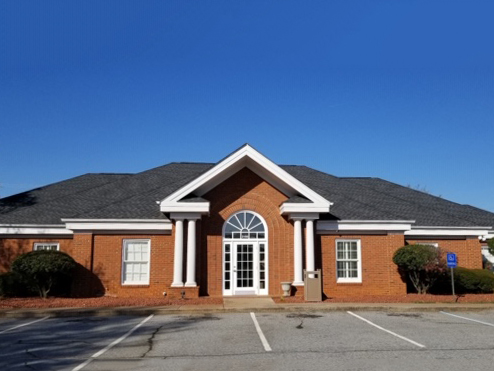
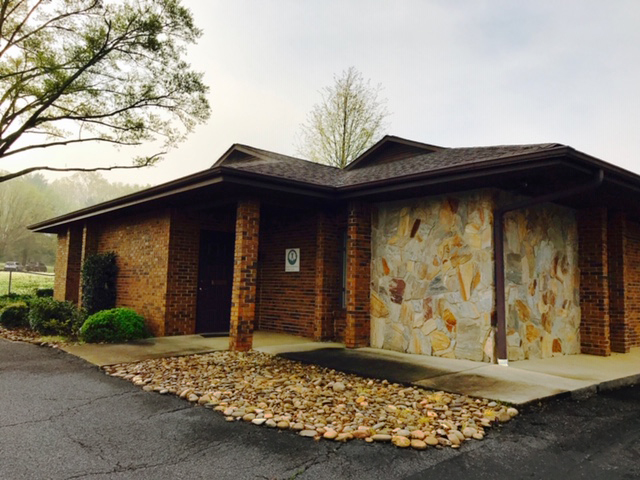
Muscle Spasm Management is available at all five of our Dosher Physical Therapy clinics:
- Anderson, SC
- Easley, SC
- Pickens, SC
- Powdersville (Piedmont), SC
- Clayton, GA
Additional Resources and Services
Spasm management is often integrated with care for the underlying cause:
- Pain Management (Chronic and Acute): Strategies to control pain and inflammation during a flare-up.
- Manual Therapy: Using Joint Manipulations and Mobilizations to correct joint stiffness that contributes to muscle guarding.
- Postural Taping and Support: Providing kinesthetic cueing to help the patient maintain a spasm-free posture.
To schedule your evaluation and find immediate relief from painful muscle spasms, please visit our Contact page or call your preferred clinic location.