Plantar Fasciitis is the most common cause of heel pain, characterized by sharp or aching discomfort in the heel and arch of the foot. It is caused by inflammation and micro-tears in the plantar fascia—a thick band of tissue that runs across the bottom of the foot. The pain is typically worst with the first few steps in the morning or after a period of rest.
At Dosher Physical Therapy, our specialized Plantar Fasciitis Management program moves beyond basic stretching and rest. We utilize a comprehensive, evidence-based approach to resolve the inflammation, rebuild the tissue’s load tolerance, and correct the underlying biomechanical faults in the Foot and Ankle Rehabilitation that caused the condition in the first place.
What is Plantar Fasciitis Management?
Plantar Fasciitis management in physical therapy is an active, multi-pronged approach designed to calm the irritated tissue and address mechanical stress. Our treatment plan focuses on:
- Reducing Inflammation and Tension: Utilizing Soft Tissue Mobilizations, stretching, and modalities to directly decrease the tension and swelling in the foot, ankle, and calf.
- Tissue Healing: Employing advanced techniques like IASTM and targeted exercise to stimulate a healing response in the plantar fascia itself, promoting repair of the damaged tissue.
- Strengthening and Support: Training the deep intrinsic muscles of the foot and the supporting muscles of the calf and hip to better absorb impact.
- Correcting Biomechanics: Assessing and addressing issues like over-pronation (flat feet) or high arches that overload the fascia, often recommending Custom Shoe Orthotic Evaluations and Fittings.
Who Can Benefit from Plantar Fasciitis Management?
If you experience persistent heel or arch pain, especially the classic “first steps of the morning” pain, you can benefit from our specialized therapy. This includes individuals with:
- Chronic Heel Pain: A persistent ache that interferes with daily walking or standing.
- Pain After Rest: Discomfort that returns after sitting or lying down for a long period.
- Athletes and Runners: Those experiencing foot pain that limits running or jumping activities, requiring focused Foot and Ankle Rehabilitation.
- Individuals with Foot Deformities: Those whose foot structure (flat feet, high arches) predisposes them to chronic strain.
- Workers Who Stand Often: People whose jobs require long periods of standing on hard surfaces.
Key Treatment Techniques Used
A successful recovery often involves a combination of targeted techniques to release tension and build strength:
Technique | Focus Area | Benefit for Plantar Fasciitis |
Instrument-Assisted Soft Tissue Mobilization (IASTM) | Scraping along the fascia, calf, and Achilles tendon. | Stimulates collagen repair, breaks up scar tissue, and accelerates healing in the chronic fascia. |
Dry Needling | Targeting deep trigger points in the calf muscles (gastroc and soleus). | Provides rapid relaxation of the primary muscles that pull tension onto the heel. |
Custom Shoe Orthotic Evaluations | Biomechanical analysis of foot posture and gait. | Provides precise support and shock absorption, reducing load on the fascia during daily activities. |
Stretching Programs | Specific stretches for the calf and plantar fascia. | Improves tissue length and flexibility to reduce resting tension on the heel attachment. |
Eccentric Strengthening | Controlled loading of the foot and calf muscles. | Rebuilds the fascia’s capacity to handle weight and force without pain. |
Locations
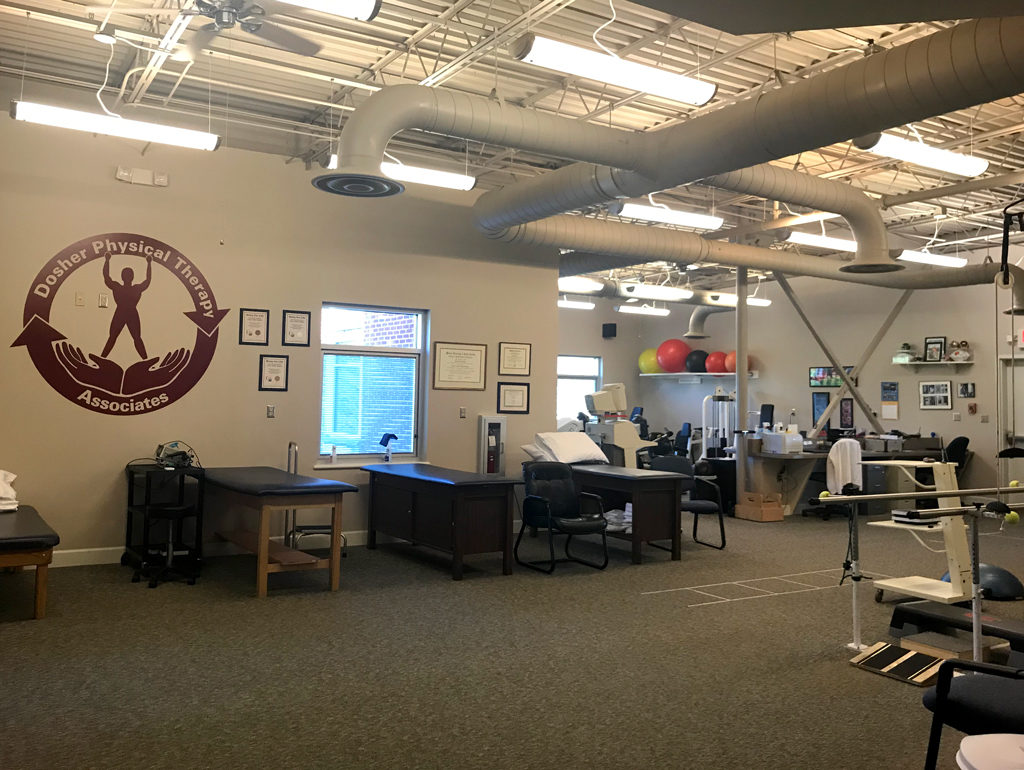
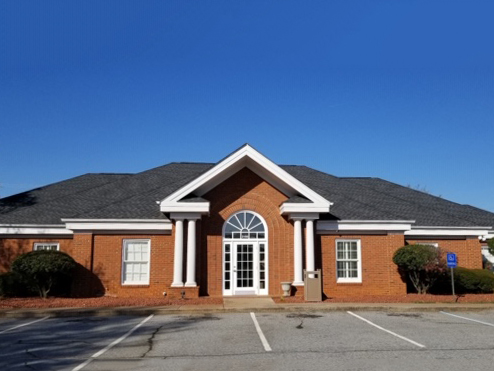
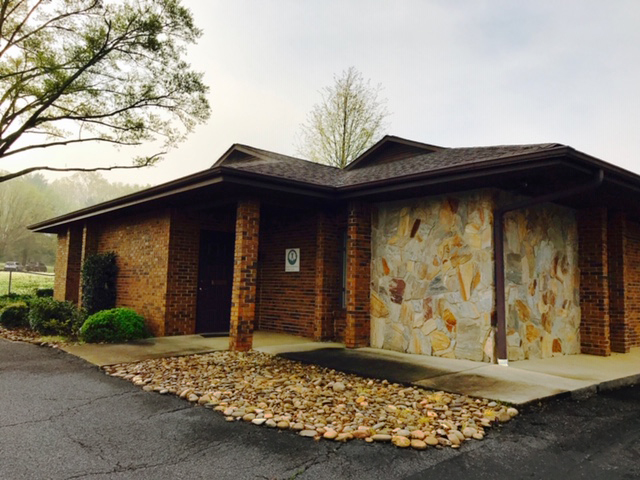
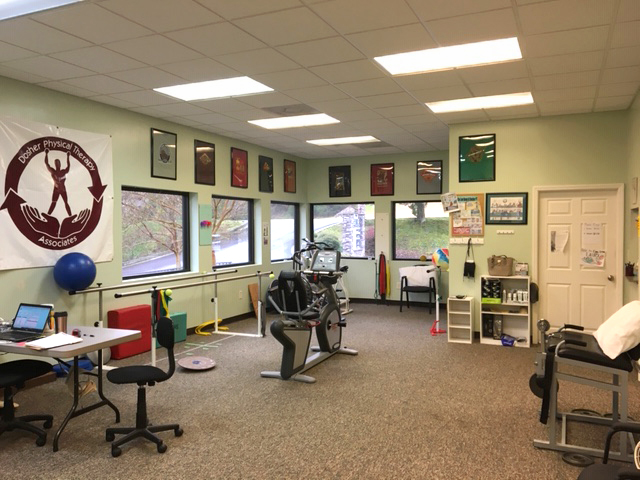
Plantar Fasciitis Management is available at all five of our Dosher Physical Therapy clinics:
- Anderson, SC
- Easley, SC
- Pickens, SC
- Powdersville (Piedmont), SC
- Clayton, GA
Additional Resources and Services
We often integrate care for the entire lower kinetic chain:
- Knee Pain & Tracking Issue Therapy: Foot mechanics can lead to knee problems, and vice versa.
- General Strengthening Exercises: Ensuring the entire lower body provides adequate support to the foot.
- Pain Management (Chronic and Acute): Strategies to control pain and inflammation during the recovery process.
To schedule your foot evaluation and take the first step toward living free from heel pain, please visit our Contact page or call your preferred clinic location.