A surgical repair of the Rotator Cuff is often the necessary step to restore full shoulder function and eliminate chronic pain caused by a tear. However, the ultimate success of the surgery depends entirely on dedicated, expert post-operative physical therapy. The period after repair requires strict adherence to protocols to protect the delicate tendon while it heals.
At Dosher Physical Therapy, our Rotator Cuff Repair Rehabilitation program is a specialized, protocol-driven component of our Orthopedic Post-Operative Rehabilitation services in collaboration with your orthopedic surgeon. We guide patients in the Upstate area through every phase of recovery, ensuring a safe, systematic return to pain-free lifting, reaching, and daily activities.
What is Rotator Cuff Repair Rehabilitation?
Rehabilitation following a rotator cuff repair is a deliberate, multi-phased process that is dictated by the biological time required for the tendon to heal to the bone (typically 6-12 weeks). Our program is designed to protect this healing while systematically restoring strength and mobility:
- Immobilization and Protection: Adhering strictly to the surgeon’s passive range of motion limitations during the initial phase to prevent strain on the healing tendon. Pain Management techniques are a priority here.
- Passive and Active Range of Motion (ROM): Gradually introducing controlled movement (first passive, then active) to prevent stiffness—a common complication—while protecting the repair.
- Scapular and Postural Control: Training the muscles that support the shoulder blade and spine to provide a stable base for the shoulder joint, which is crucial for preventing future tears (Postural Correction and Fault Therapy).
- Strength Rebuilding: Progressing from light isometric exercises to full, functional resistance training, focusing on the endurance and coordination of the repaired cuff and surrounding muscles.
Who Can Benefit from This Rehabilitation?
Anyone who has undergone a surgical repair of one or more rotator cuff tendons (Supraspinatus, Infraspinatus, Teres Minor, Subscapularis) requires specialized post-operative care. This is crucial for:
- Preventing Re-Tear: Ensuring the tendon is not stressed before it is biologically ready, especially during the early phases.
- Avoiding Stiffness: Combating stiffness (adhesive capsulitis) which is common after shoulder surgery, utilizing gentle Manual Therapy and mobilization.
- Restoring Overhead Function: Rebuilding the strength and coordination required for the complex motion of reaching and lifting above the head.
- Managing Associated Conditions: Addressing chronic Shoulder Pain and Bursitis Rehabilitation that often exists alongside cuff issues.
- Athletes: Ensuring a systematic progression back to throwing, swimming, or weightlifting safely (Athletic Performance & Return-to-Sport Training).
Key Treatment Phases and Techniques
Recovery is structured sequentially, but individualized to each patient with techniques progressing from protection to power:
|
Phase |
Goal |
Key Techniques Used |
|
Protective (Weeks 0-6) |
Strict protection of the repair; initiating gentle Passive ROM (by therapist only). |
Soft Tissue Mobilizations (non-cuff), gentle joint distraction, Muscle Spasm Management. |
|
Intermediate (Weeks 6-12) |
Initiating Active ROM and light General Strengthening Exercises (isometrics). |
Proprioception Exercises for shoulder stability, Blood Flow Restriction Training (BFR) for strength without heavy load. |
|
Advanced (Months 3-6+) |
Full resistance and endurance training; functional movement patterns. |
Advanced Rotator Cuff and scapular strengthening, work-simulated activities, objective strength testing. |
Locations
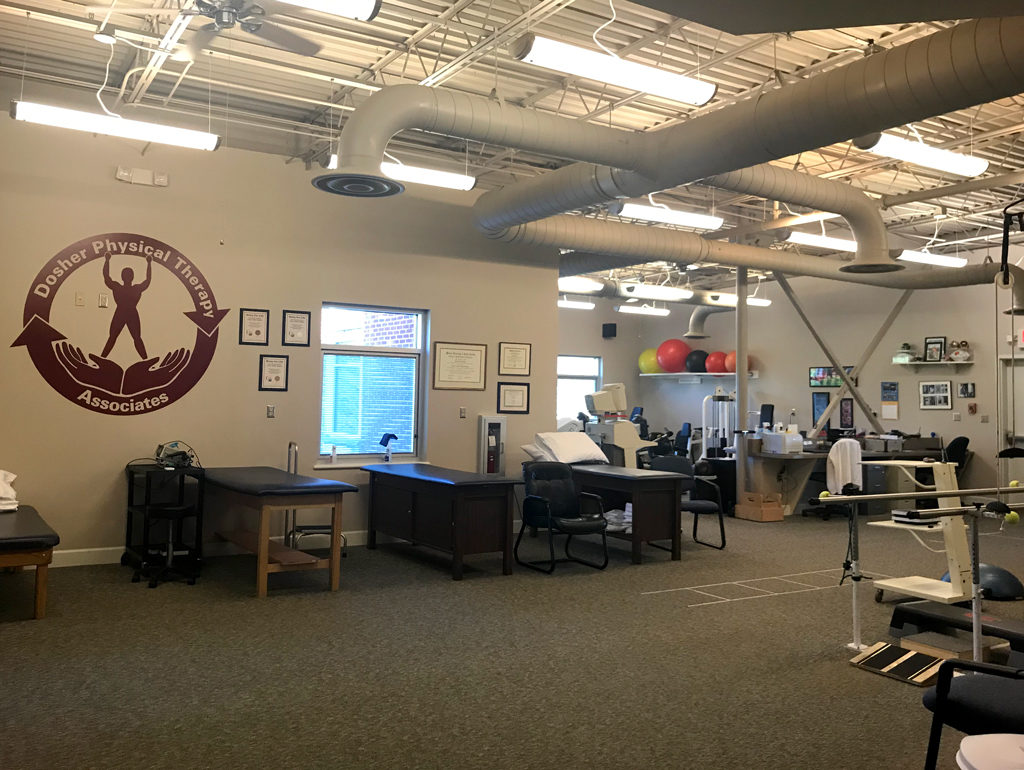
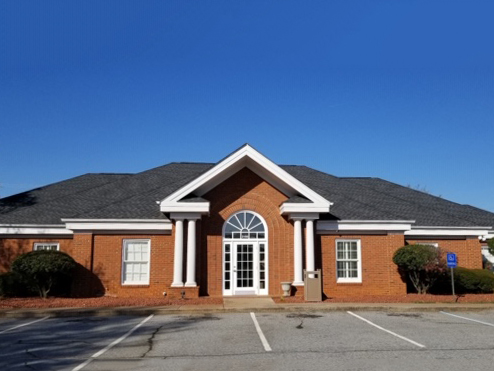
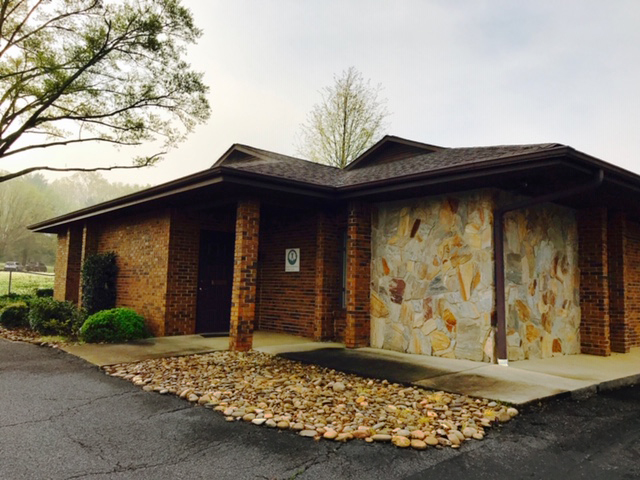
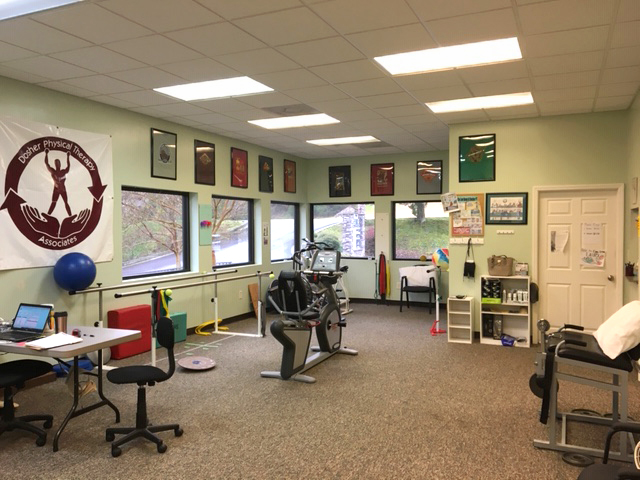
Rotator Cuff Repair Rehabilitation is available at all five of our Dosher Physical Therapy clinics:
- Anderson, SC
- Easley, SC
- Pickens, SC
- Powdersville (Piedmont), SC
- Clayton, GA
Additional Resources and Services
We integrate specialized therapies to enhance healing and strength:
- Dry Needling: Used to manage protective Muscle Spasms and release tension in the surrounding neck and upper back.
- Impingement Syndrome Rehabilitation: Addressing the underlying causes of impingement which often lead to the tear.
- Labral Repair Rehabilitation: Often concurrent treatment is needed if a labral tear was also present.
To schedule your post-operative rehabilitation and ensure a safe, successful recovery for your rotator cuff, please visit our Contact page or call your preferred clinic location.