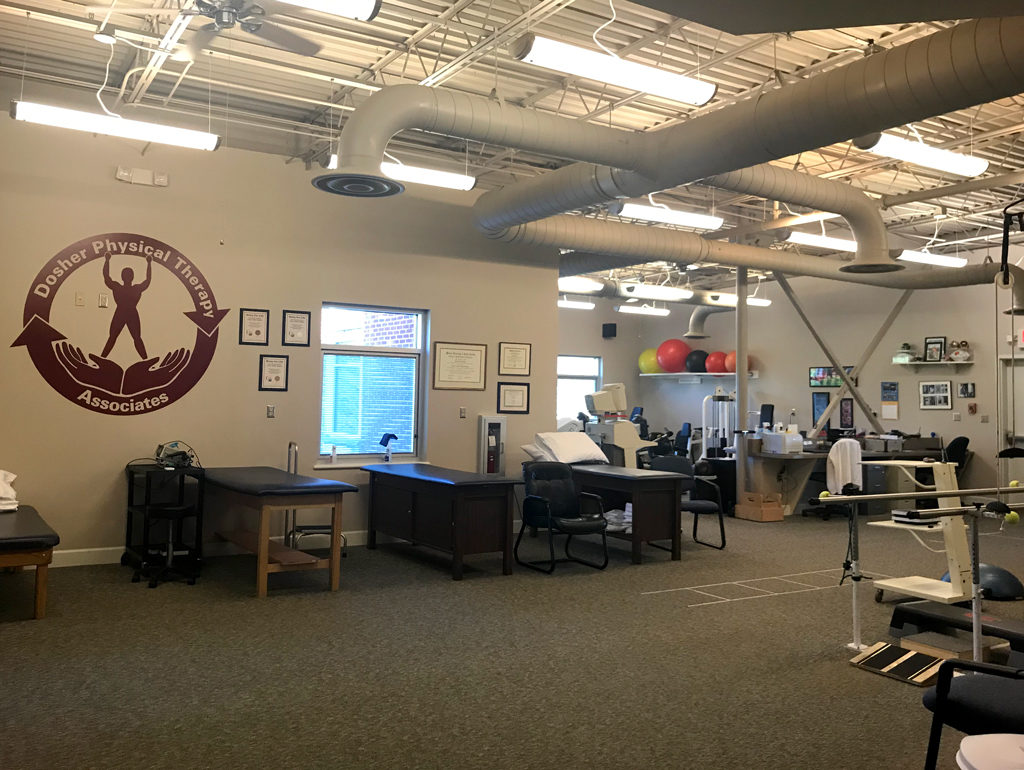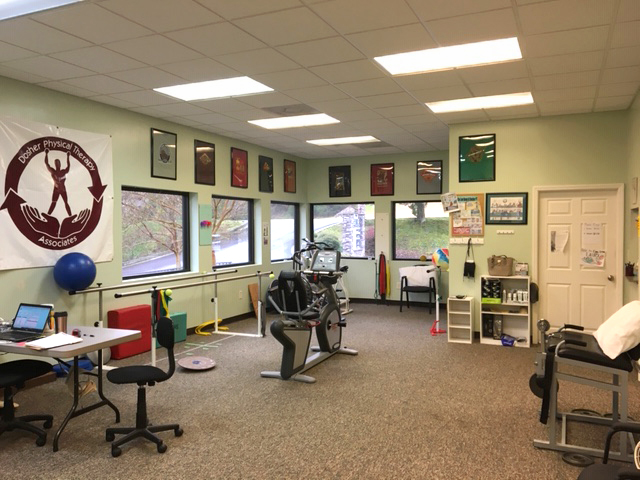
Flexibility is a vital component of physical health. When muscles become tight—whether from injury, overuse, poor posture, or prolonged sitting—it can restrict joint motion, increase the risk of injury, and contribute significantly to chronic pain in the back, neck, and extremities. Stretching Programs are a fundamental component of effective rehabilitation, used to restore normal muscle length, optimize joint function, and reduce muscular tension.
At Dosher Physical Therapy, our therapists go beyond simple static holds. We evaluate your specific tight areas and prescribe targeted stretching and flexibility techniques, ensuring a safe, effective path to improved mobility and a reduction in strain-related pain.
What are Therapeutic Stretching Programs?
In a clinical setting, therapeutic stretching is a precise intervention focused on correcting specific muscle length imbalances that contribute to pain and dysfunction. Our programs include various techniques tailored to your needs:
- Static Stretching: Holding a stretch for a sustained period to gently lengthen tight muscles (e.g., hamstrings, hip flexors, or chest muscles).
- Contract-Relax (Proprioceptive Neuromuscular Facilitation or PNF): Utilizing a muscle contraction immediately before stretching to achieve a deeper and more lasting gain in flexibility.
- Active Stretching: Using opposing muscles to move a joint through its full range of motion, which also builds strength in the newly acquired range.
- Integrated Flexibility: Combining techniques like Soft Tissue Mobilizations or Cupping Therapy to first release fascial restriction, making the stretch more effective.
Who Can Benefit from Stretching Programs?
If you feel stiff, restricted, or experience pain that seems related to tightness, you can benefit from our personalized stretching programs. This includes individuals with:
- Chronic Low Back Pain (Lumbago): Often caused or worsened by tight hip flexors or hamstrings, requiring focused stretching to correct pelvic tilt.
- Neck and Upper Back Pain: Tension headaches and Neck Pain and Strain Rehabilitation related to tight chest and upper trapezius muscles.
- Postural Faults: Addressing tight muscles (pectorals, hip flexors) that pull the body into a rounded or slouched posture (Postural Correction and Fault Therapy).
- Joint Conditions: Stiffness related to conditions like Knee Pain & Tracking Issues (Patellofemoral) or Impingement Syndrome Rehabilitation in the shoulder.
- Athletic Performance: Maintaining flexibility is key for preventing soft tissue injuries and optimizing movement efficiency for Return-to-Sport Training.
- Foot and Ankle Issues: Crucial for relieving tension on the arch and heel for Plantar Fasciitis Management and Achilles tendinitis.
Key Treatment Techniques Used
A comprehensive stretching program is integrated with movement and strengthening to ensure gains are maintained:
Technique | Focus Area | Goal |
PNF Stretching | Major muscle groups (hamstrings, quads, hip rotators). | Achieve greater, faster flexibility gains by incorporating neurological principles. |
Myofascial Stretching | Long fascial lines (e.g., IT Band Condition Treatment). | Releases connective tissue restriction that limits muscle elongation and joint mobility. |
Soft Tissue Mobilizations | Targeted release of specific muscle knots and trigger points. | Reduces local tension, allowing the muscle to tolerate a stretch more easily. |
Functional Flexibility | Stretching combined with movement patterns. | Ensures flexibility translates into better function for daily activities and sports. |
Locations
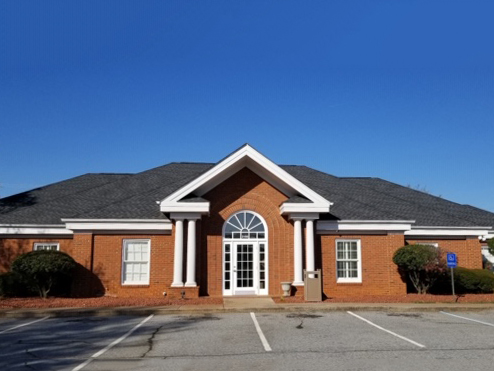
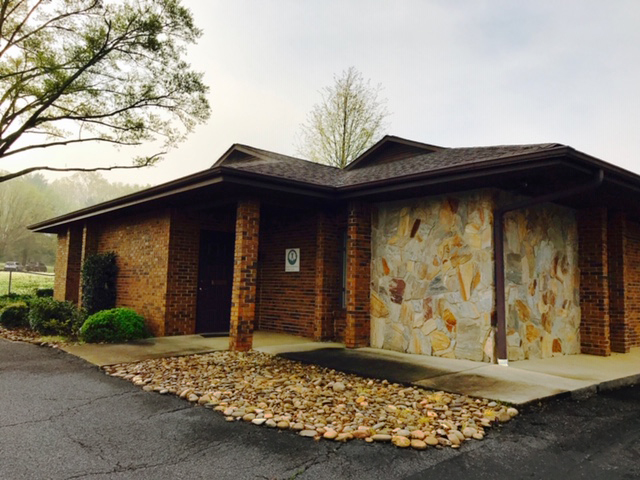
Stretching Programs are available at all five of our Dosher Physical Therapy clinics:
- Anderson, SC
- Easley, SC
- Pickens, SC
- Powdersville (Piedmont), SC
- Clayton, GA
Additional Resources and Services
Stretching is a key component of virtually all services we offer, often preceding:
- General Strengthening Exercises: Muscles must be adequately flexible before they can be effectively strengthened.
- Manual Therapy: Addressing soft tissue tightness before performing Joint Manipulations and Mobilizations.
- Dry Needling: Stretching a muscle immediately after needling helps lock in the relaxation effect.
To schedule your flexibility assessment and begin a personalized stretching regimen, please visit our Contact page or call your preferred clinic location.