Feelings of dizziness, spinning (Vertigo), or constant unsteadiness can be debilitating, severely impacting your ability to work, drive, or simply walk confidently. These symptoms often stem from a dysfunction in your inner ear (vestibular system), which is critical for sensing head movement and maintaining balance.
At Dosher Physical Therapy, our specialized Vertigo and Vestibular Rehabilitation program is designed to accurately diagnose the source of your dizziness and implement targeted, evidence-based treatments to resolve your symptoms and restore stability. We help patients in the Upstate area move past unsteadiness and regain their independence.
What is Vestibular Rehabilitation?
Vestibular Rehabilitation is a specialized form of physical therapy that assesses and treats disorders of the inner ear and brain that cause dizziness and balance problems. Our programs are highly effective and non-invasive, often providing rapid relief for specific conditions. Treatment focuses on:
- Diagnosis of Vertigo (BPPV): Utilizing specific head and eye movements to diagnose and treat the most common cause of vertigo: Benign Paroxysmal Positional Vertigo (BPPV).
- Repositioning Maneuvers: Performing precise, gentle head movements (like the Epley or Semont maneuvers) to safely relocate displaced inner ear crystals that are causing BPPV.
- Gaze Stabilization: Implementing exercises to improve eye control and visual stability during head movement, essential for patients with inner ear deficits or those recovering from a Stroke (Neurological Rehabilitation).
- Balance Retraining: Progressively challenging the balance system to improve stability and reaction time, a key component of our Balance and Fall Prevention Programs.
Who Can Benefit from Vestibular Rehabilitation?
If you experience dizziness, spinning, or unsteadiness, you can benefit from a vestibular evaluation. This includes individuals with:
- Vertigo (BPPV): Short, intense episodes of spinning or room-tilting triggered by specific head positions (e.g., looking up, rolling over in bed).
- Persistent Dizziness or Lightheadedness: Symptoms that may not be true vertigo but result from chronic inner ear hypofunction (e.g., vestibular neuritis).
- Balance Impairment: A feeling of being “off-balance” or unsteady, particularly when walking on uneven surfaces or in the dark.
- Gait Instability: Unsteady walking that increases the risk of falling (Fall Prevention Programs).
- Neurological Conditions: Individuals managing dizziness or unsteadiness related to Parkinson’s Disease Programs or other central nervous system disorders.
- Migraine-Associated Vertigo: Managing dizziness related to vestibular migraines.
Key Treatment Techniques Used
A successful vestibular rehabilitation plan integrates repositioning, habituation, and balance training:
Technique | Focus Area | Goal |
Canalith Repositioning Maneuvers | Specific head movements (e.g., Epley maneuver). | Quickly treat BPPV by moving displaced inner ear crystals back into place. |
Gaze Stabilization Exercises | Focusing eyes on a target while moving the head. | Improve vision clarity during head movement, reducing lightheadedness and unsteadiness. |
Habituation Exercises | Repeated exposure to movements that provoke dizziness. | Reduce the brain’s sensitivity to specific movements over time. |
Balance Training | Multi-sensory training using sight, joint sensation, and vestibular input. | Enhance the body’s ability to maintain equilibrium and prevent stumbles (Proprioception Exercises). |
Locations
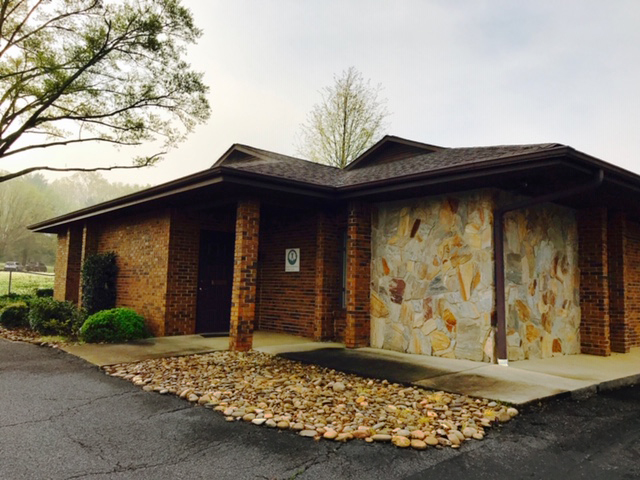
Vertigo and Vestibular Rehabilitation is available at all five of our Dosher Physical Therapy clinics:
- Anderson, SC
- Easley, SC
- Pickens, SC
- Powdersville (Piedmont), SC
- Clayton, GA
Additional Resources and Services
Vestibular rehabilitation often works alongside other stability services:
- Balance and Fall Prevention (including Parkinson’s Disease Programs): Comprehensive training for safe mobility.
- Neck Pain and Strain Rehabilitation: Addressing neck stiffness that can cause cervicogenic dizziness (dizziness originating from the neck).
- Proprioception Exercises: Improving the body’s awareness of its position to compensate for inner ear deficits.
To schedule your evaluation and take the first step toward a steady, confident life, please visit our Contact page or call your preferred clinic location.